
Not an Ordinary Crossing
The Problem is Ground Vibration
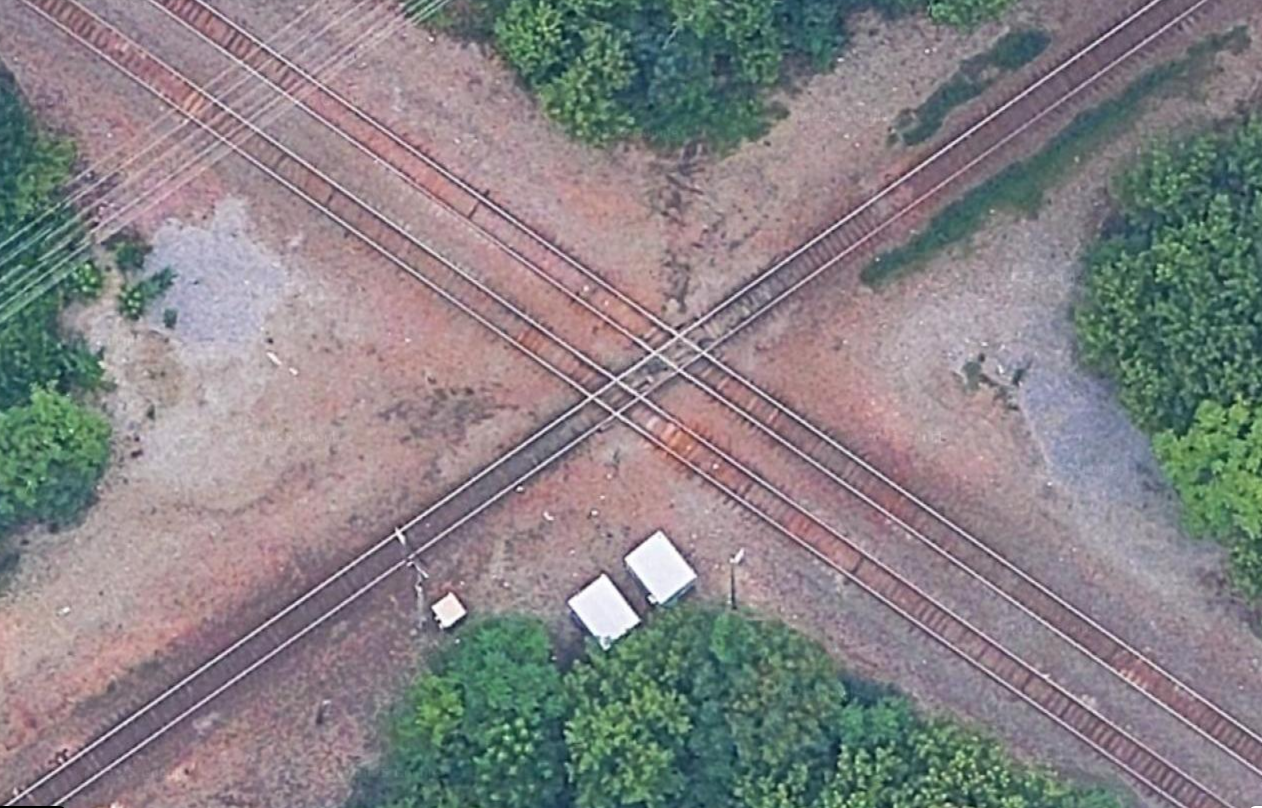
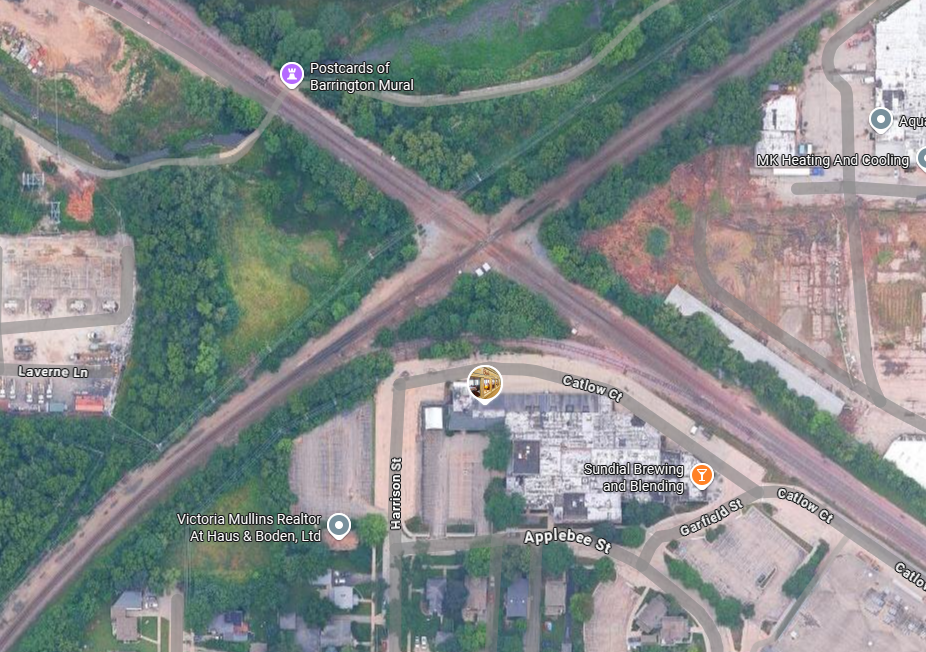
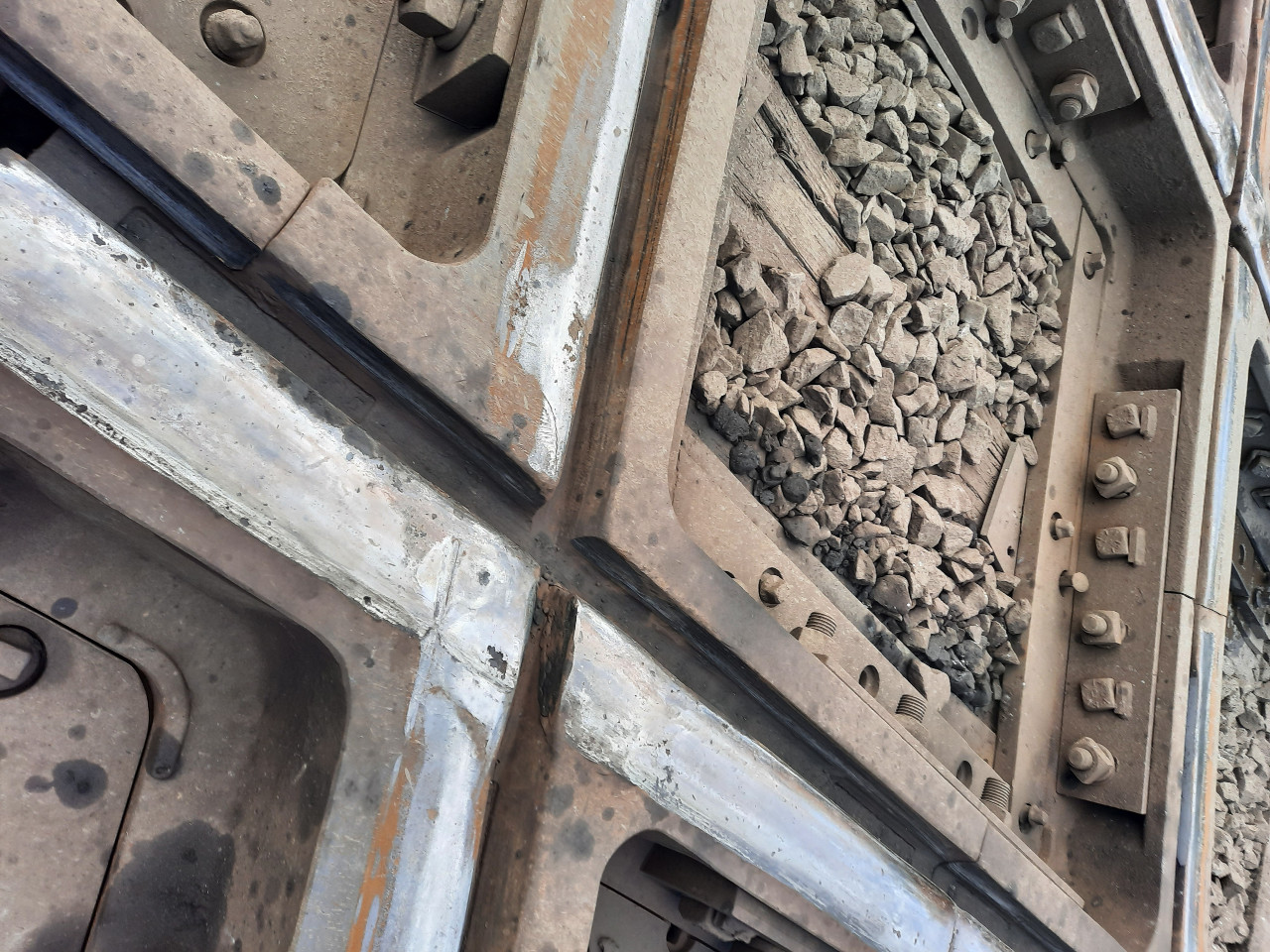
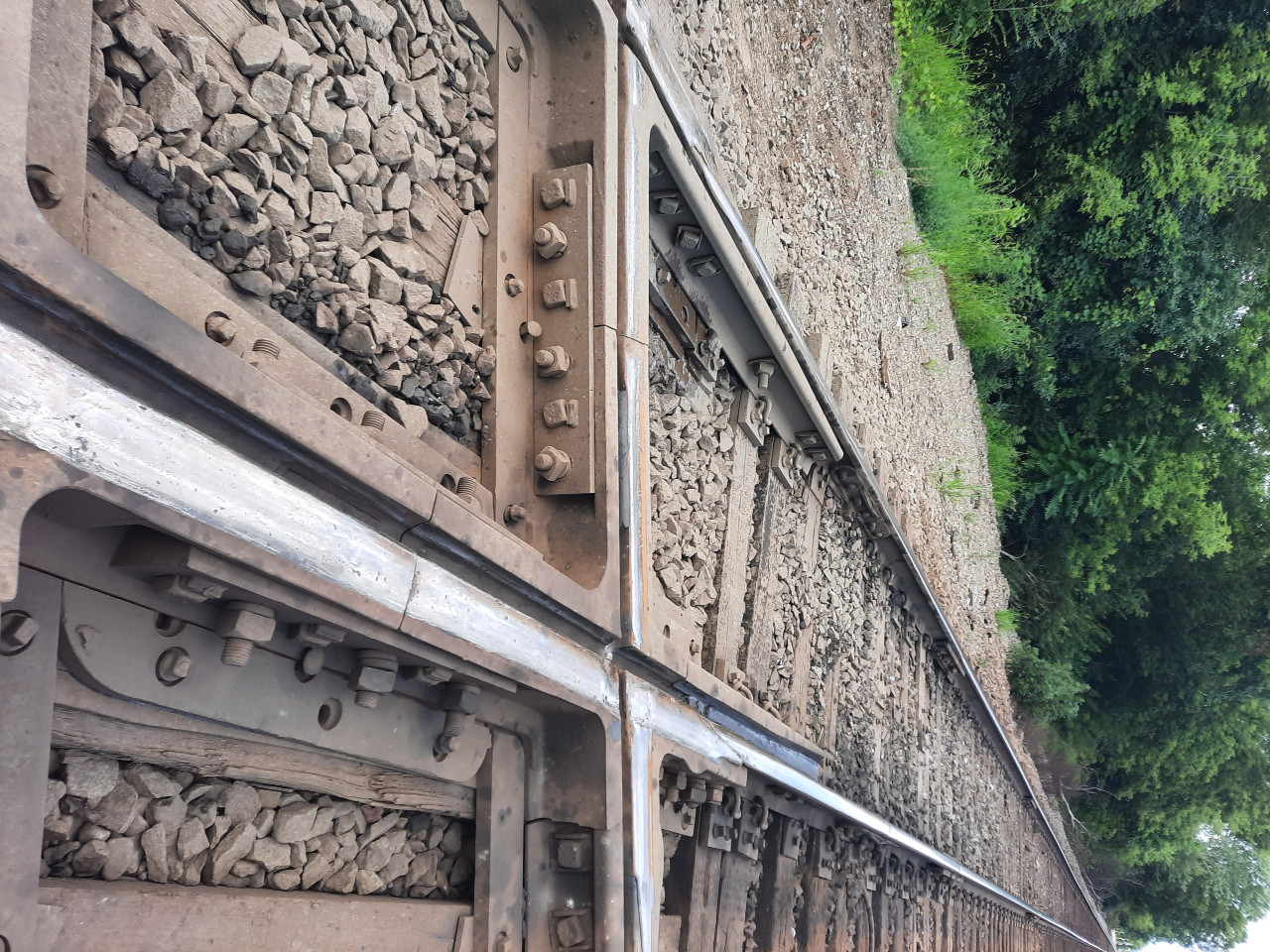
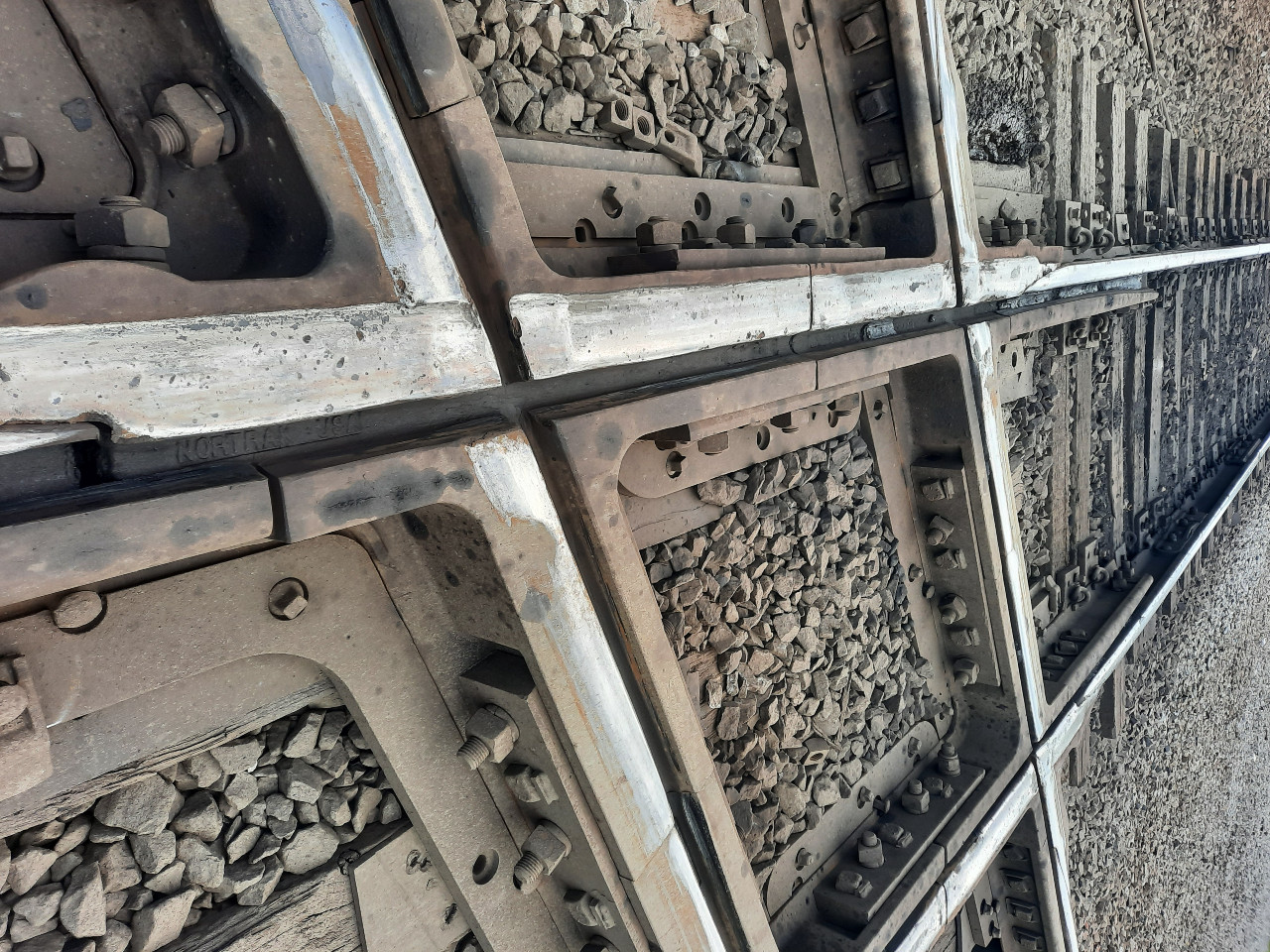
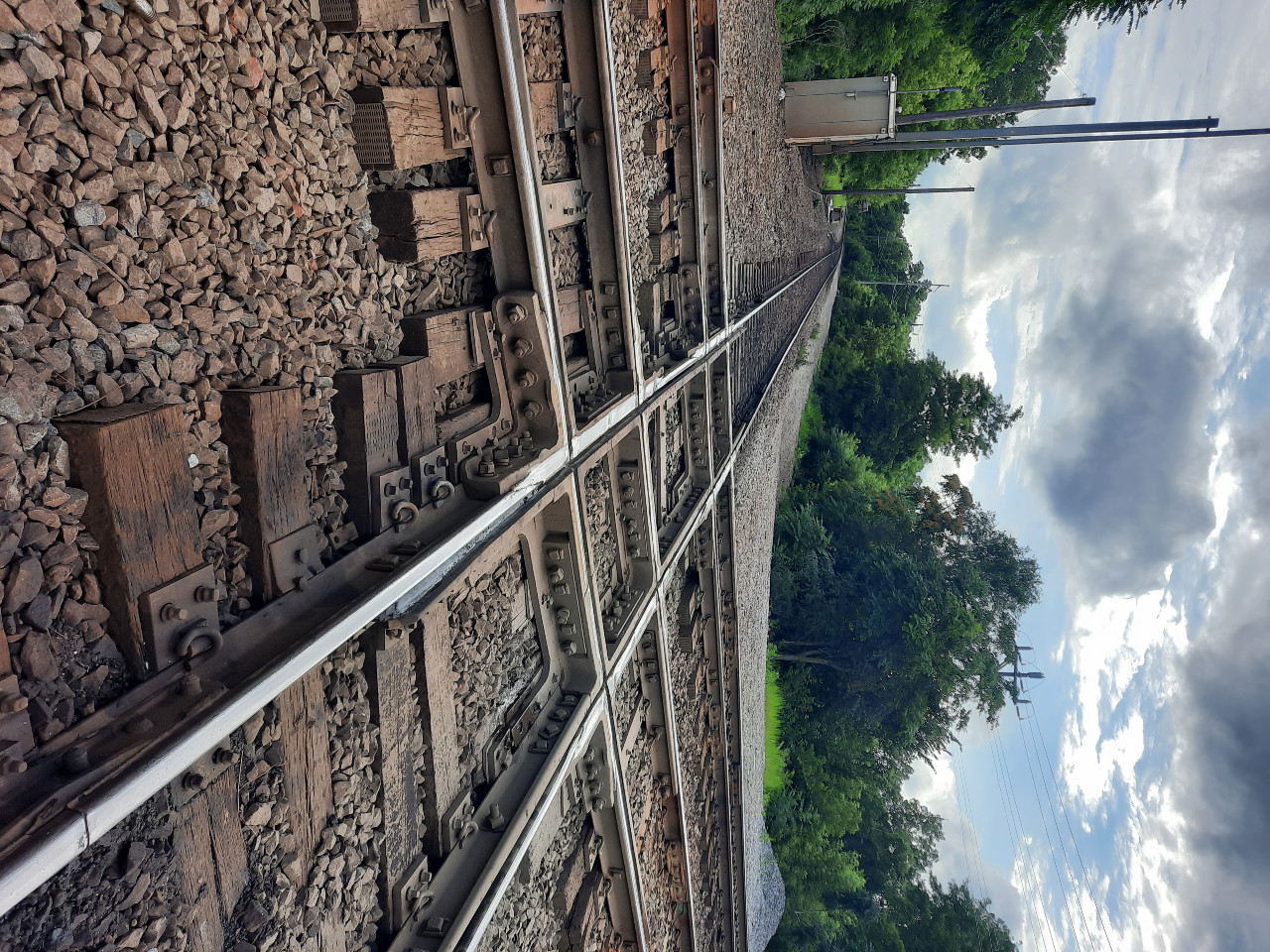
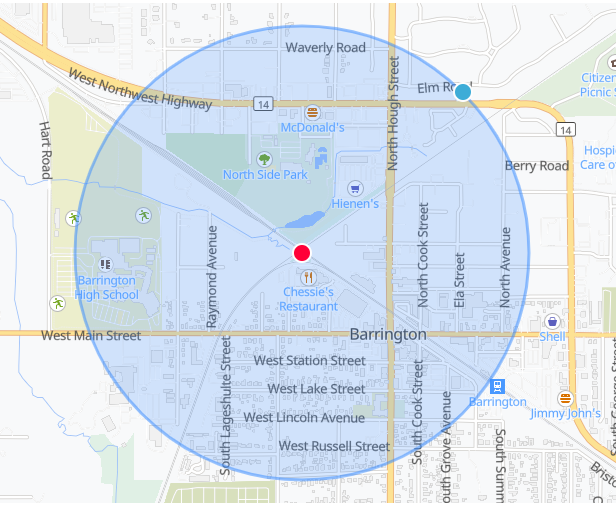
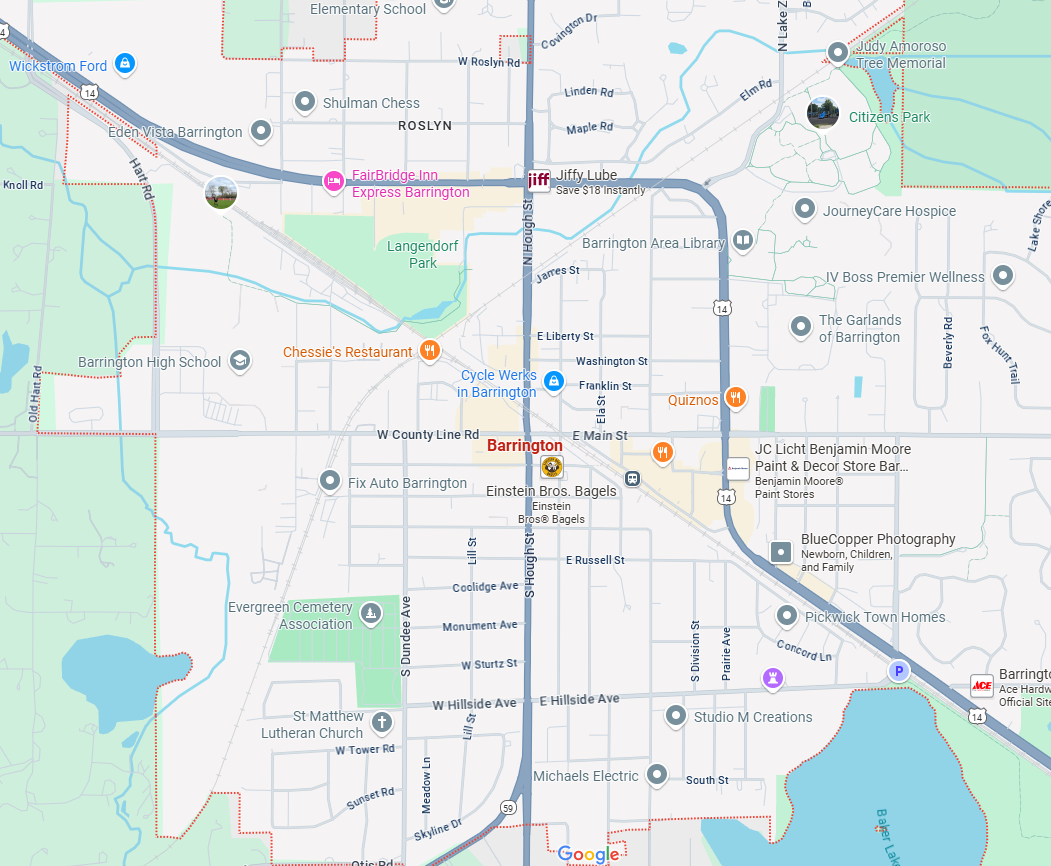
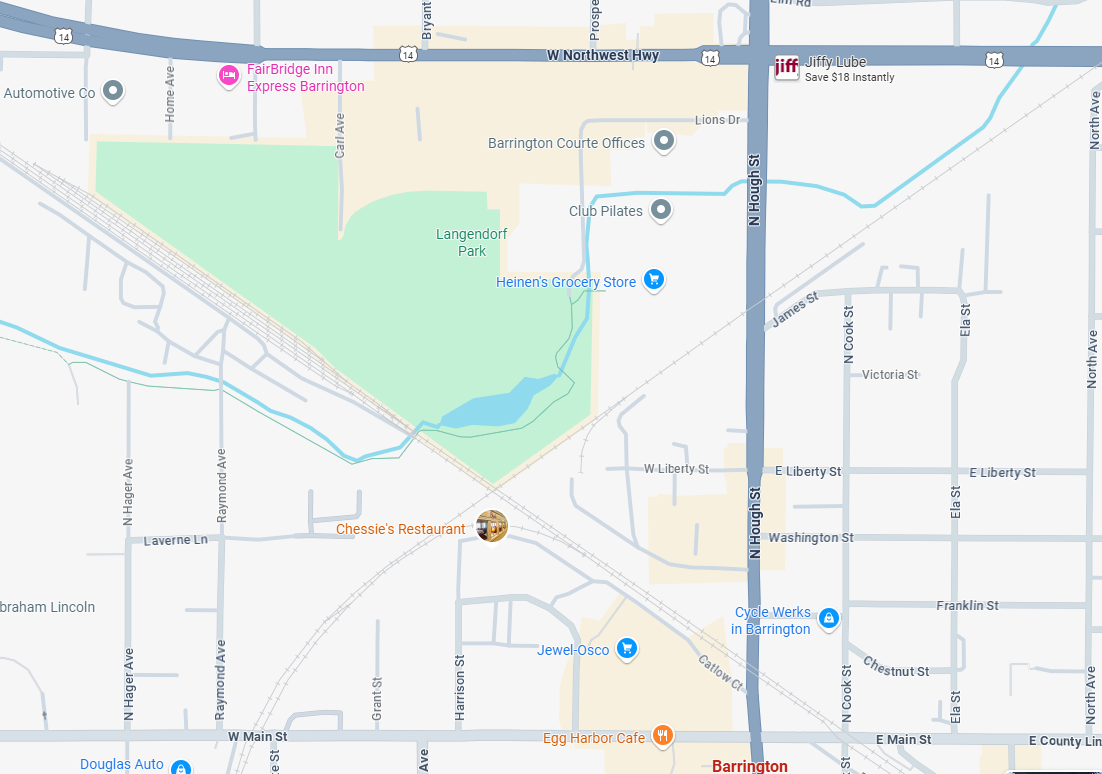
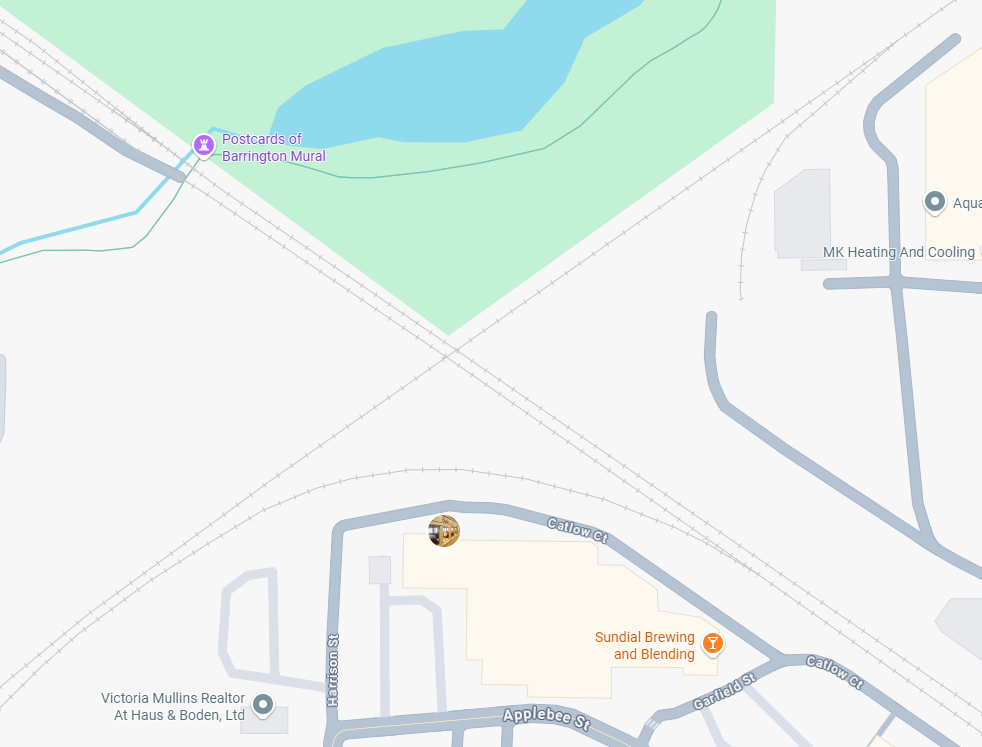
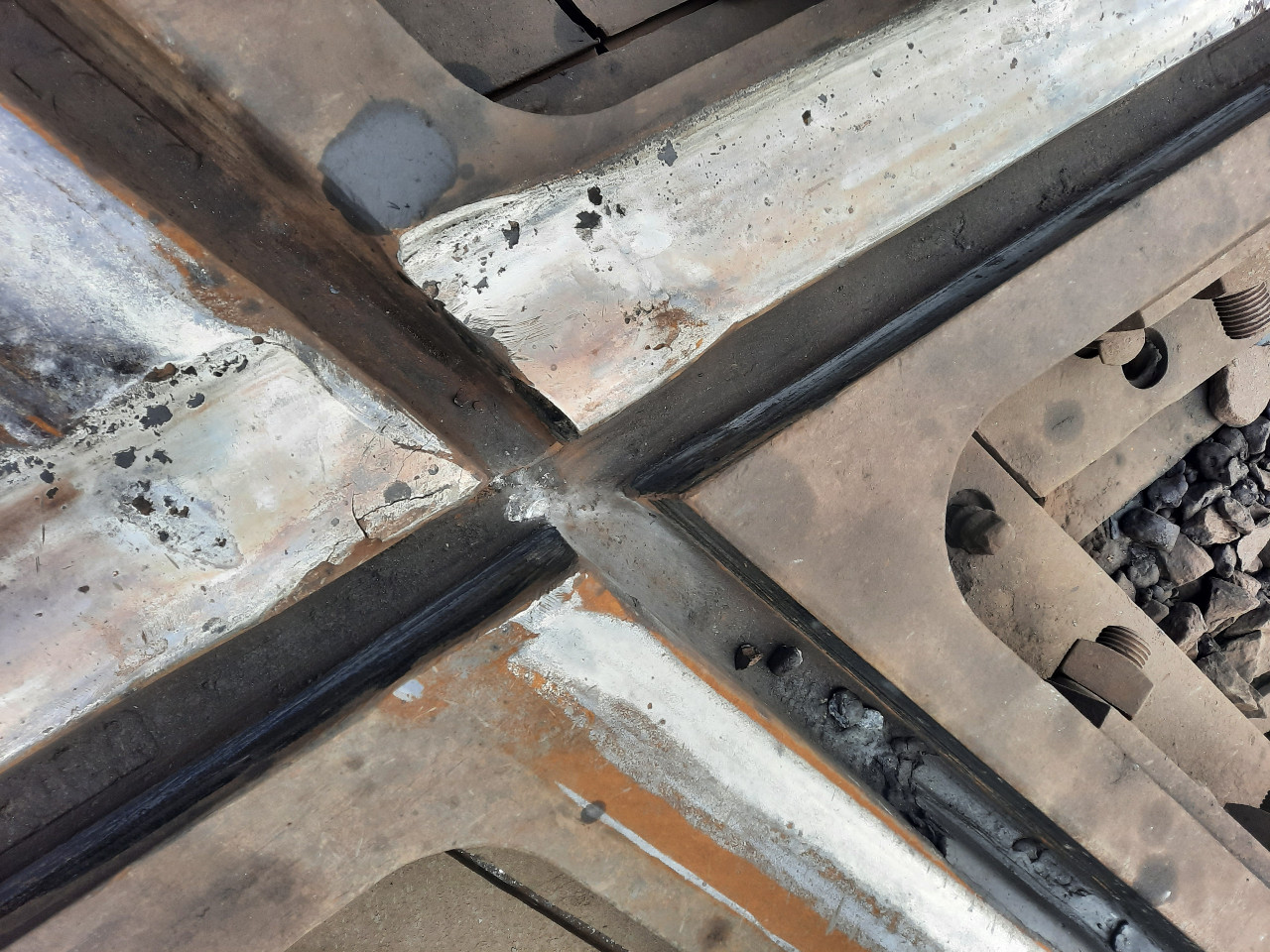
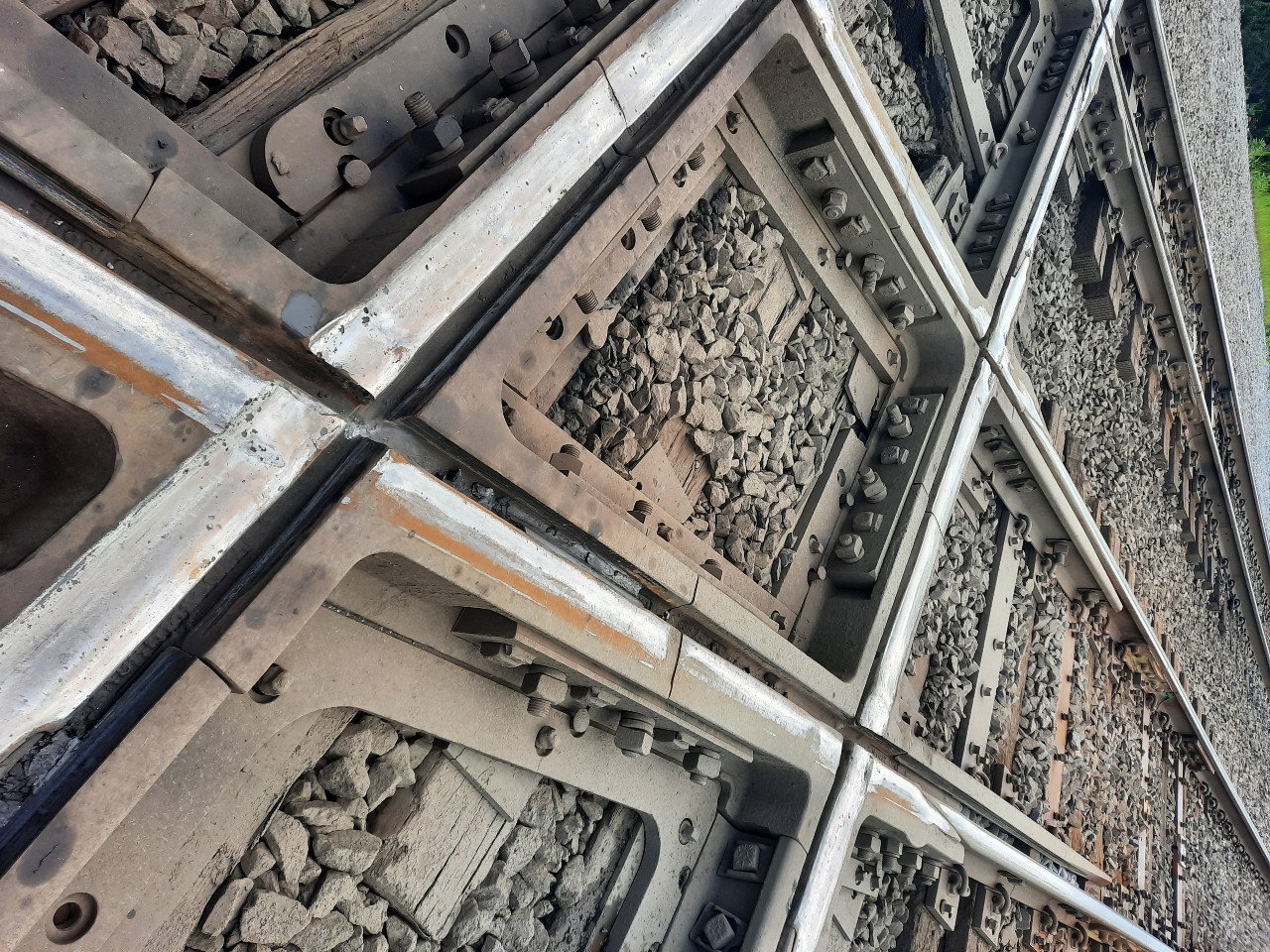
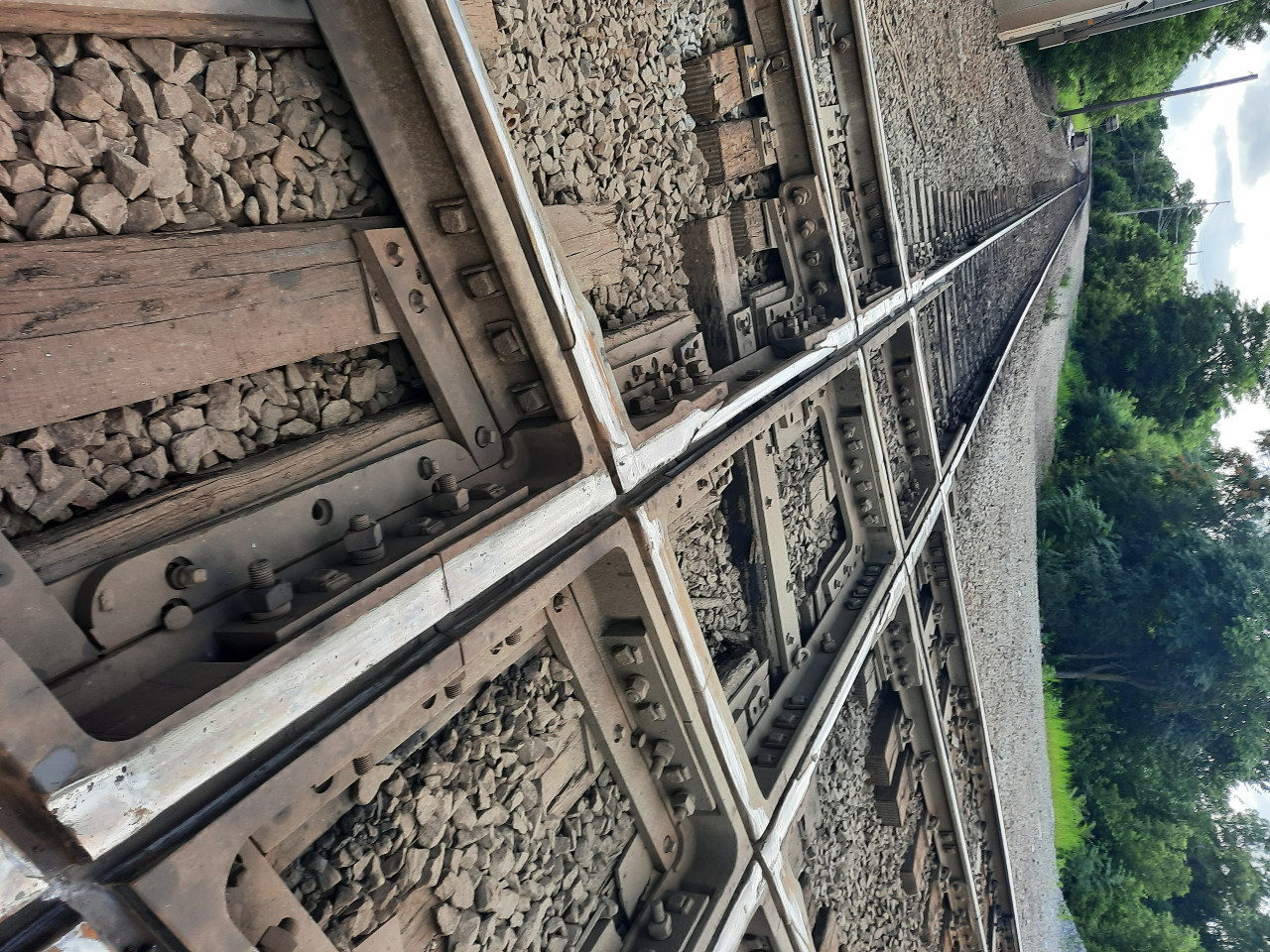
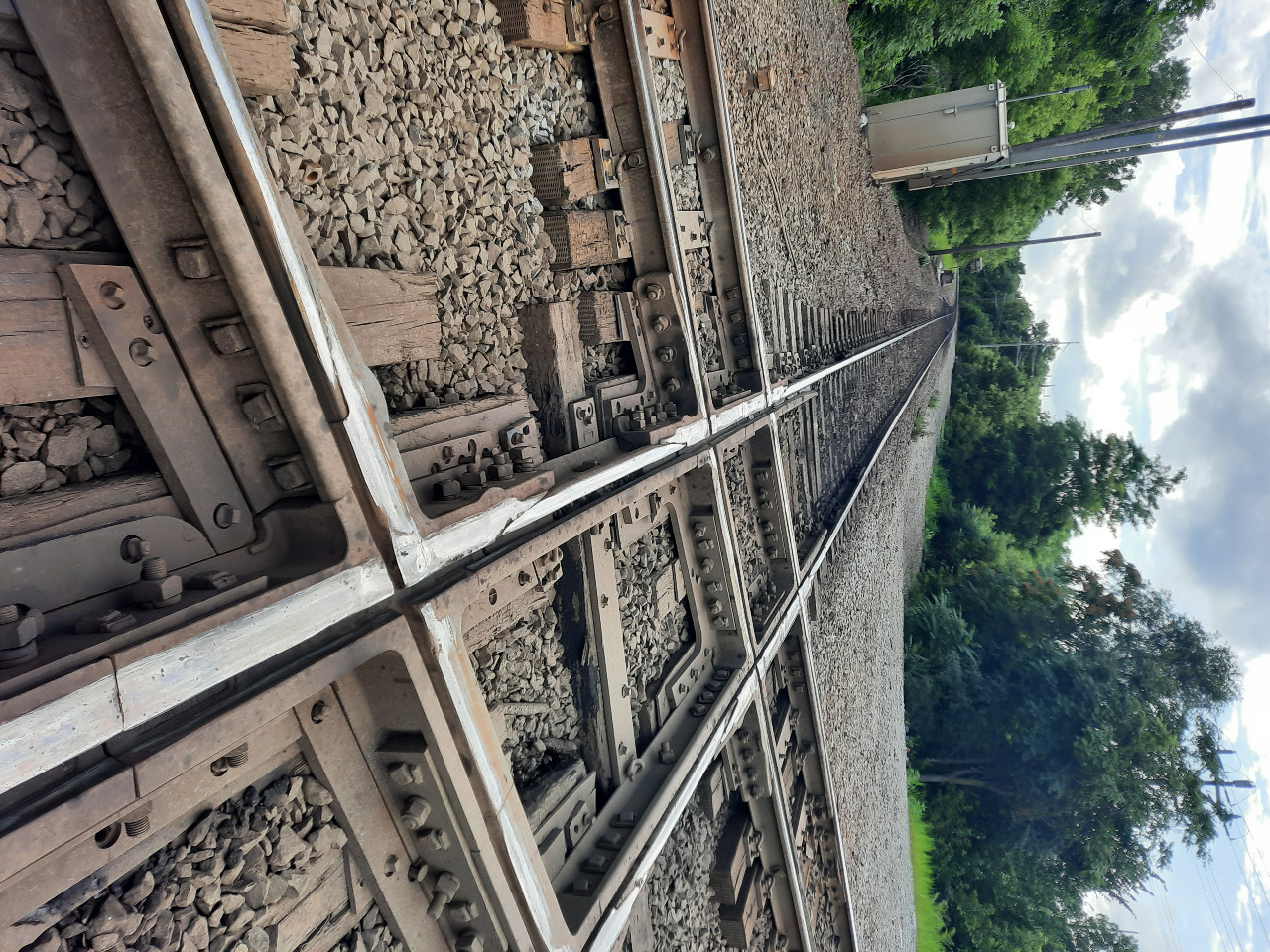
This CN’s freight rail line intersects with Metra’s Union Pacific Northwest Line
• Shakes homes, beds, and cabinets.
• Cracks foundations, walls, and porches.
• Disrupts the lives of residents and damages local businesses.
• Forces families to leave the community they once loved.
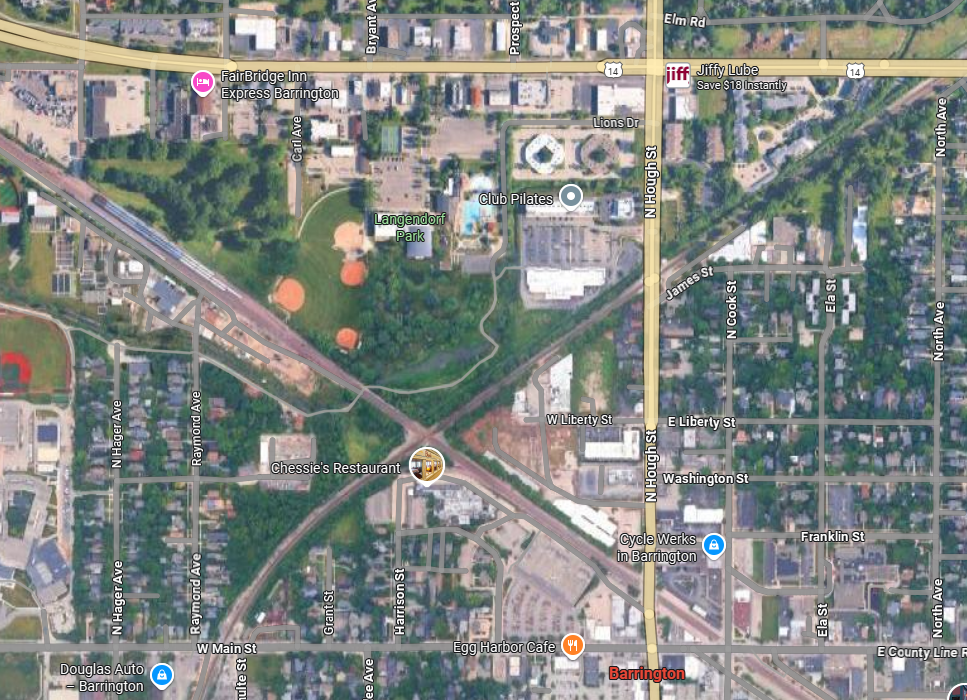
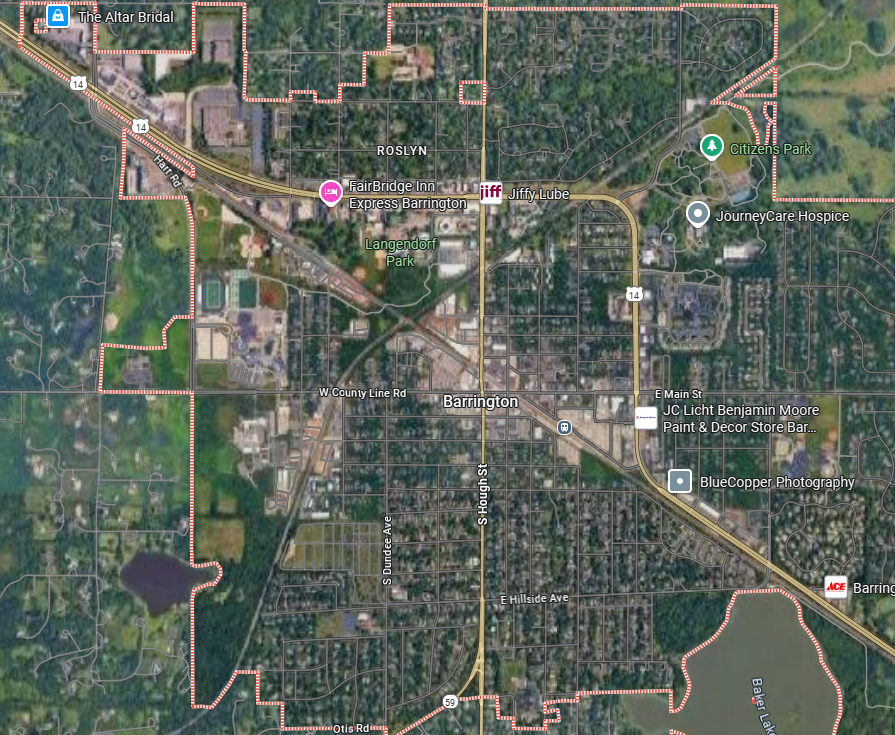
The current FRA-approved speed limit of 45 mph is unsafe and incompatible with the residential and rail-interchange character of this location. We demand an immediate Joint Railroad Mitigation Plan (CN + Metra) to be implemented near the crossing #260 515D on IL Route 59 (Hough Street) in Barrington, IL.
By signing our online petition, you lend your voice to a growing movement demanding change. Each signature sends a strong message to the Federal Railroad Administration (FRA) and Canadian National Railway (CN) that our community will not tolerate the ongoing disruption, noise, and sleepless nights. This simple act helps us fight for a meaningful reduction in train speeds and ensures that our homes remain safe, livable, and peaceful. Your support matters and it brings us one step closer to restoring the quality of life we all deserve.
Area Effected is 0.5 Mile Radius
Size of the Problem
This disturbance is caused by long CN freight trains traveling through the crossing, often at speeds up to 45 miles per hour, as permitted by the Federal Railroad Administration. These trains are massive in both length and weight. A typical CN freight train measures about 6,800 feet, or 1.28 miles, but some can extend up to 10,000 feet, equivalent to 1.89 miles. At this length, approximately 177 freight cars are joined together. Each of these cars is fitted with eight steel wheels, four on each axle at the front and rear, resulting in a total of 1,416 steel wheels pounding the tracks with each pass.
This pounding is not merely noise; it creates serious physical consequences. The interaction of thousands of steel wheels with the joints in the steel rails, especially at the junction where CN tracks intersect with Metra’s Union Pacific Northwest Line, produces concentrated ground vibration. These vibrations do not stop at the tracks; they travel outward, shaking the ground beneath nearby homes and buildings. Residents have reported their floors trembling, beds shaking, and glassware rattling in cabinets. Some compare it to the sensation of an earthquake.
The weight of these trains compounds the issue. Each loaded freight car weighs approximately 286,000 pounds (143 tons), and with 177 cars, the total freight weight comes to over 50.6 million pounds, or 25,311 tons. To move a train of this size, CN typically uses three to four locomotives, each weighing around 415,000 pounds. With four locomotives, the combined weight of the train reaches approximately 52.3 million pounds, or 26,141 tons.
This enormous mass of steel moves through a residential community, often during nighttime hours, releasing powerful shockwaves into the ground with every wheel rotation. These vibrations are not benign. They contribute to structural degradation: damaging foundations, cracking walls, shaking porches loose, and disrupting residents' ability to sleep and live peacefully in their homes. The long-term consequences are physical, psychological, and financial. Some families have already chosen to sell their homes and leave the area. Others feel trapped, unable to sell, yet unable to stay comfortably.
What’s happening in Barrington is not just a nuisance. It is a public infrastructure failure and a livability crisis.
We are calling on CN and Metra’s UP-Northwest Line, as well as the Federal Railroad Administration, to act swiftly, before further damage is done to our homes, our community, and our health.
What Pictures Can't Show
Toll on Our Health & Well-Being
Children struggle to stay focused at school. Adults drag themselves through workdays running on fumes. Parents worry about their kids’ health while fighting their own chronic fatigue and stress. Home, once a place of safety and comfort, now feels like a source of anxiety. Some residents feel embarrassed to invite guests, worried their homes will shake or a train will interrupt the conversation. Others simply feel trapped, stuck in a place they love but can no longer truly enjoy.
These are the invisible wounds: the emotional strain, the mental exhaustion, the loss of peace. They may not show up in photographs, but they are every bit as real and damaging as the physical cracks in our walls. And they are taking a profound toll on the well-being of our entire community.
Signing our online petition is a simple but powerful step you can take to support our community. Every signature adds to the growing demand for the Federal Railroad Administration (FRA) and Canadian National Railway (CN) to address the harmful vibrations, noise, and sleepless nights caused by high-speed freight trains. Your support helps show that residents should not have to choose between staying in their homes and living in peace. Together, we can push for a lasting solution that protects our homes, health, and quality of life.
Solutions Fall into 3 Categories
Solutions to Excessive Vibration and Noise at the CN–Metra UP-Northwest Line Crossing
Below is a clear, practical, and realistic set of solutions to the problem of excessive vibration and noise at a grade-level crossing between CN and Metra’s UP-Northwest Line where the two railroads intersect, just west of CN Crossing #260 515D at IL Route 59 (Hough St), Barrington, Illinois.
Because the situation involves ground-borne vibration from extremely heavy freight trains, meaningful solutions fall into three categories: engineering fixes, operational changes, and regulatory/community actions.
1. Engineering Solutions (Most Effective)
A. Construct a Grade Separation (Flyover or Underpass)
Best long-term solution.
A grade separation eliminates the physical crossing of two railroads:
- One railroad is elevated over the other (flyover), or
- One is lowered beneath the other (trench/underpass).
Benefits
- Removes the “impact point” where vibrations are strongest.
- Reduces both noise and ground vibration by removing the geometric conflict.
- Eliminates train-to-train delays, improving safety and flow.
Drawbacks
- High cost (tens to hundreds of millions).
- Requires federal, state, local, and railroad cooperation.
- Construction impact.
B. Install Advanced Track Support Systems
These reduce vibration energy transfer into the ground.
Options
- Ballast mats or under-track shock-absorbing pads
- Resilient rail fasteners
- Floating slab track (very effective in urban areas)
- High-elasticity rail ties (e.g., composite ties)
- Continuous Welded Rail improvements to remove joints and hammering impacts
Effectiveness
- Can reduce vibration by 40–70%, depending on soil and installation.
- Much cheaper than grade separation.
C. Improve Subgrade and Railbed Foundations
If the subsoil is transmitting vibration too efficiently, reinforcement helps.
Methods
- Deep soil stabilization (grouting, soil-cement columns)
- Adding geocells or geogrid reinforcement beneath ballast
- Installing vibration barriers (trenches, wave barriers) parallel to the tracks
Benefits
- Reduces the amplitude of vibration before it reaches nearby homes.
- Can be installed with minimal disruption to rail operations.
2. Operational Solutions (Moderate Effectiveness)
A. Speed Restrictions Through the Crossing
Slowing heavy freight trains significantly reduces:
- Ground-borne vibration
- Wheel-rail impact forces
- Dynamic load transfer
Speed reduction to 10–15 mph can meaningfully reduce vibration.
B. Train Scheduling Adjustments
Since the worst impacts occur overnight, CN could:
- Avoid running the heaviest consists at night
- Route especially heavy trains differently
- Shift some freight traffic to lower-impact times
This requires coordination but is often achievable through negotiation.
C. Require Locomotive Idling Restrictions Near Residential Areas
Idling and throttle-up generate strong low-frequency ground vibration.
3. Regulatory, Legal, and Community Actions
A. Demand a Federal or State Environmental Impact Study
A formal vibration, noise, and health impact assessment:
- Documents the severity
- Quantifies damage
- Forces railroads to propose mitigation
- Creates a basis for funding and regulation
B. Petition FRA, Surface Transportation Board, and State DOT
Residents can file:
- STB complaints about unreasonable railroad operations
- FRA safety concerns
- Requests for federal funding for grade separation under programs like:
- CRISI grants
- Federal Railroad Crossing Elimination Grant Program
- BUILD/RAISE grants
C. Demand a Joint Railroad Mitigation Plan (CN + Metra)
Both railroads share responsibility at a diamond crossing. A joint plan can require:
- Track upgrades
- Resilient support systems
- Speed and scheduling adjustments
- Long-term grade separation planning
Summary of the Solution
To truly solve the vibration problem where CN crosses Metra UP-NW, the real solutions are:
- A grade separation (flyover or underpass) — the only complete solution.
- Advanced vibration-mitigation track technologies — most effective short-to-mid-term fix.
- Operational changes (speed reduction, scheduling) — moderate impact, low cost.
- Regulatory pressure and coordinated studies — required to force action.
Help Mobilize Community Support
Stand With Us to Protect Our Community



By downloading and sending the sample PDF letter to the Federal Railroad Administration (FRA) and Canadian National Railway (CN), you’re helping amplify a united community voice demanding change. Each letter sent adds pressure on officials and decision-makers to take our concerns seriously and act on them. It only takes a few minutes, but your action could make a lasting difference in protecting our homes, health, and quality of life.
Downloading the MS Word version of the letter gives you the flexibility to personalize your message before sending it to the Federal Railroad Administration (FRA) and Canadian National Railway (CN). Adding your own words or experiences can make your voice even more powerful and impactful. A customized letter shows genuine community concern and helps decision-makers see the real people behind the issue.
Support Our Community for the Cost of One Cup of Coffee. If you can spare $4.45 a month, the cost of a single Grande Cappuccino, you can make a real difference in protecting our community.
Your contribution helps fund the expert evaluations, legal guidance, outreach campaigns, and advocacy efforts necessary to address the noise, vibration, and safety issues caused by freight trains. 👉 Make a monthly donation: https://gofund.me/11d410b
Share our story on Facebook, Instagram, X (formerly Twitter), and Nextdoor. Your voice has the power to inspire others to join our cause.
Together, we can reduce the destructive noise and vibration caused by heavy freight traffic at the CN–Metra rail crossing. Every share helps amplify our message and brings us closer to real change. Use your social platforms to reach more people and make a greater impact.
Signing our online petition is one of the quickest and most effective ways to show your support and demand action. Every signature strengthens our case and sends a clear message to the Federal Railroad Administration (FRA) and Canadian National Railway (CN) that our community deserves relief from dangerous vibrations and sleepless nights. Your name adds weight to our call for a safer, quieter neighborhood—and helps protect the homes and well-being of everyone affected.
Adding your name to our online petition is a fast, impactful way to stand with our community and demand meaningful change. Each signature builds momentum and sends a powerful message to the Federal Railroad Administration (FRA) and Canadian National Railway (CN): we will not accept the ongoing damage and disruption caused by high-speed freight trains. By signing, you help us push for a safer, quieter neighborhood and show support for the families whose homes, health, and peace of mind are at risk.
Support Our Community for the Cost of One Cup of Coffee
For as little as $4.45 per month, the price of one Grande Cappuccino, you can help fund expert studies, legal advocacy, and community outreach. Make a monthly donation: https://gofund.me/11d410b02